
Geological Sample Analysis
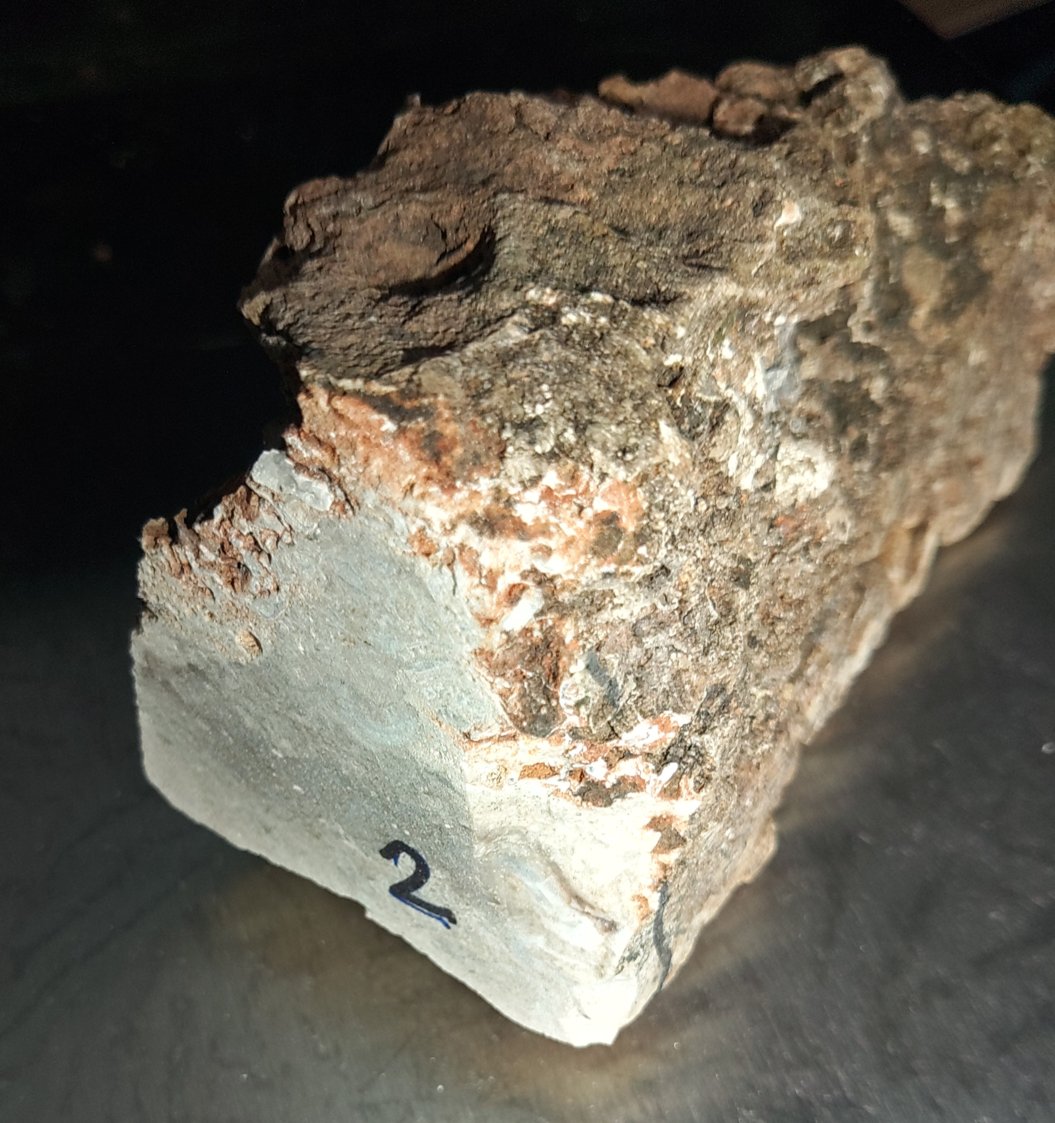
We provide mineralogy and elemental composition data that geologists need for interpretation and decision-making. Our combined analytical approach delivers quantitative results, with uncertainty stated, for formation evaluation, resource assessment, and environmental compliance.
Sample Types We Analyze
Formation samples
from drilling operations. We identify clay types, quantify carbonate content, and determine mineral assemblages. XRD identifies the clay minerals while XRF gives elemental composition for geochemical interpretation.
Core and cuttings analysis
for reservoir characterization. Combined XRD/XRF analysis quantifies quartz, feldspar, carbonates, and clay minerals that affect porosity and permeability.
Cement and construction aggregate testing
We determine mineral composition, identify potentially reactive phases, and quantify cement chemistry components for quality control and specification compliance.
Environmental samples
including soils, sediments, and contaminated materials. We identify mineral phases, identify the clay minerals that influence cation exchange capacity (CEC itself is not measured), and quantify elemental concentrations.
Proppant analysis
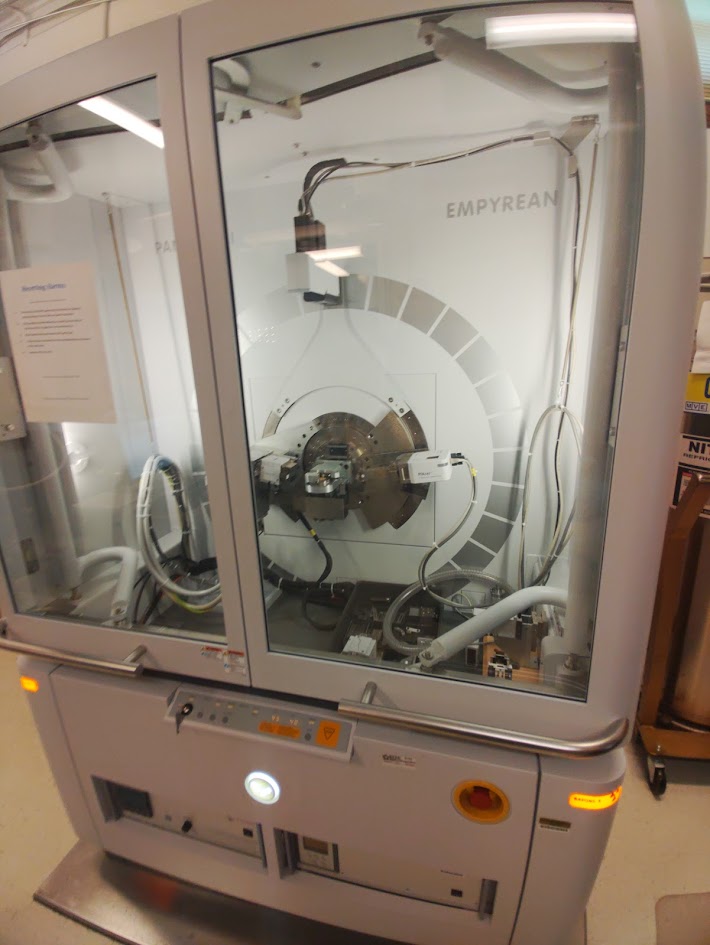
using optical microscopy for size and shape characterization. We analyze both fresh proppant for quality control and produced proppant to assess in-situ performance. This includes pre- and post-crush test analysis to evaluate proppant durability and effectiveness.
Clay Mineralogy
Clay mineralogy
from soils, shales, and drill cuttings. The clay fraction is dispersed, separated at 2 µm, and mounted oriented. Scans of the air-dried, glycol-solvated, and heated mounts separate swelling clay from illite and kaolinite. Particle size, bulk XRD, XRF, and helium pycnometry serve as cross-checks, and clay shares are reported as semi-quantitative. Read the white paper.
Analytical Capabilities
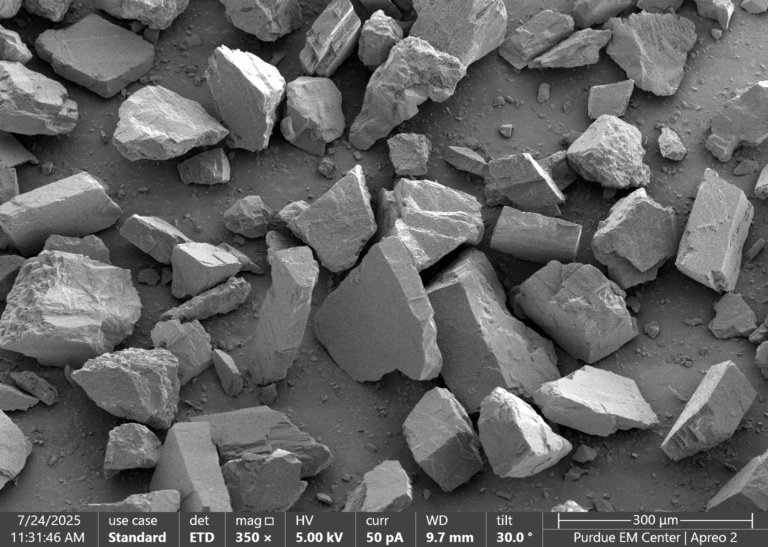
Our strength is quantitative mineralogy through combined XRD and XRF analysis. This integrated approach provides both the mineral phases present and their chemical composition, giving you complete characterization data for geological interpretation.
Quantitative XRD using Rietveld refinement methods provides mineral percentages, with uncertainty stated, rather than just identification. XRF elemental analysis cross-checks the mineral data and shows where the crystalline phases do not account for an element, as with iron held in poorly crystalline phases. Amorphous content needs an added internal standard to quantify.
Working with Geologists
We focus on generating reliable analytical data that supports your geological interpretations. You know the geology - we provide the mineralogy and elemental data you need for reservoir modeling, resource evaluation, or environmental assessment.
Typical turnaround is 5 to 7 business days for XRF and 7 to 10 for XRD. Clay preparation adds time, and I confirm the estimate once samples arrive. Reports include both raw data and mineral/elemental summaries formatted for geological applications.
Need Geological Analysis?
Contact us to discuss your sample analysis requirements and how our quantitative mineralogy can support your geological interpretation.
Get Started Request Quote